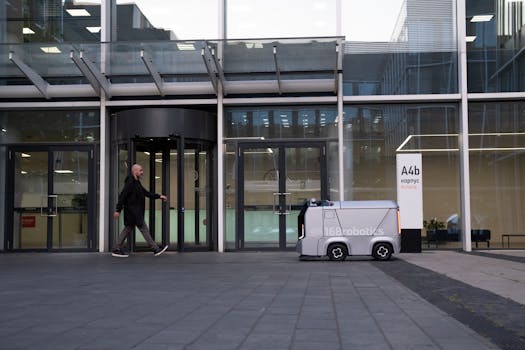
Creating a website dedicated to exploring simple experiments with AI tools, automation, side projects, and lightweight online business ideas is a fantastic concept. Such a site can serve as a valuable resource for hobbyists, entrepreneurs, educators, and students who are curious about the potentials of technology and business. Here’s how you can structure and populate your website to maximize its effectiveness and reach.
- Website Structure
Homepage
- Introduction: Briefly describe the purpose of the website and what visitors can expect to find.
- Featured Experiments or Projects: Highlight the most popular or recent experiments and projects.
- Newsletter Signup: Encourage visitors to sign up for updates on new experiments and insights.
About Page
.png)
- Mission Statement: Outline the goals and vision of the website.
- Background: Share your expertise or interests in AI, automation, and business ideas.
Experiments & Projects Section
- Categories: Organize content into categories such as AI Tools, Automation Projects, Side Projects, and Business Ideas.
- Search Functionality: Include a search bar to help users easily find specific experiments or topics.
Blog
- Educational Content: Publish articles that explain complex concepts in simple terms.
- Guest Posts: Feature posts by experts in AI, automation, and online business to provide diverse insights.
Resources Page
- Tutorials and Guides: Offer step-by-step guides and tutorials on starting projects or using specific tools.
- Tool Reviews: Provide reviews and recommendations for tools and software.
- External Resources: Link to other useful websites, online courses, and books.
Contact Page
- Feedback Form: Allow visitors to submit questions or suggestions.
- Social Media Links: Include links to your social media profiles for additional engagement.
- Content Ideas
For AI Tools
- Experimenting with AI Writing Assistants: A guide on how to use AI for generating content.
- Building Simple AI Models: Teach beginners how to use platforms like TensorFlow or Scikit-learn for basic models.
For Automation
- Home Automation Projects: DIY projects on automating home appliances using IoT devices.
- Automating Online Tasks: How to use tools like IFTTT or Zapier to automate daily digital tasks.
For Side Projects
- Starting a Blog: A step-by-step project on creating and monetizing a blog.
- Developing an App: Beginner guides on app development for non-programmers using platforms like Appy Pie.
For Business Ideas
- Dropshipping for Beginners: How to start a dropshipping business.
- Creating and Selling Digital Products: Guide on creating ebooks, courses, or graphics.
- SEO Strategy
- Keyword Research: Use tools like Google Keyword Planner or Ahrefs to find what your target audience is searching for.
- Content Optimization: Include relevant keywords naturally in your titles, headers, and content.
- Quality Content: Ensure the content is informative, well-written, and provides value to the reader.
- Backlinks: Build backlinks by guest blogging, collaborations, and directory listings.
- Regular Updates: Keep content fresh and up-to-date to maintain its relevance and ranking.
- Marketing and Outreach
- Social Media: Share your projects and posts on platforms like Twitter, LinkedIn, and Facebook.
- Email Newsletters: Regularly send out newsletters with the latest experiments, insights, and updates.
- Webinars and Workshops: Host online events to teach skills, showcase experiments, and discuss ideas.
By following this guide, your website can become a go-to hub for anyone interested in the practical applications of AI and automation, side projects, and developing online business ideas. This will not only help in educating your audience but also in building a community around technology and innovation.